
Streaming Screaming
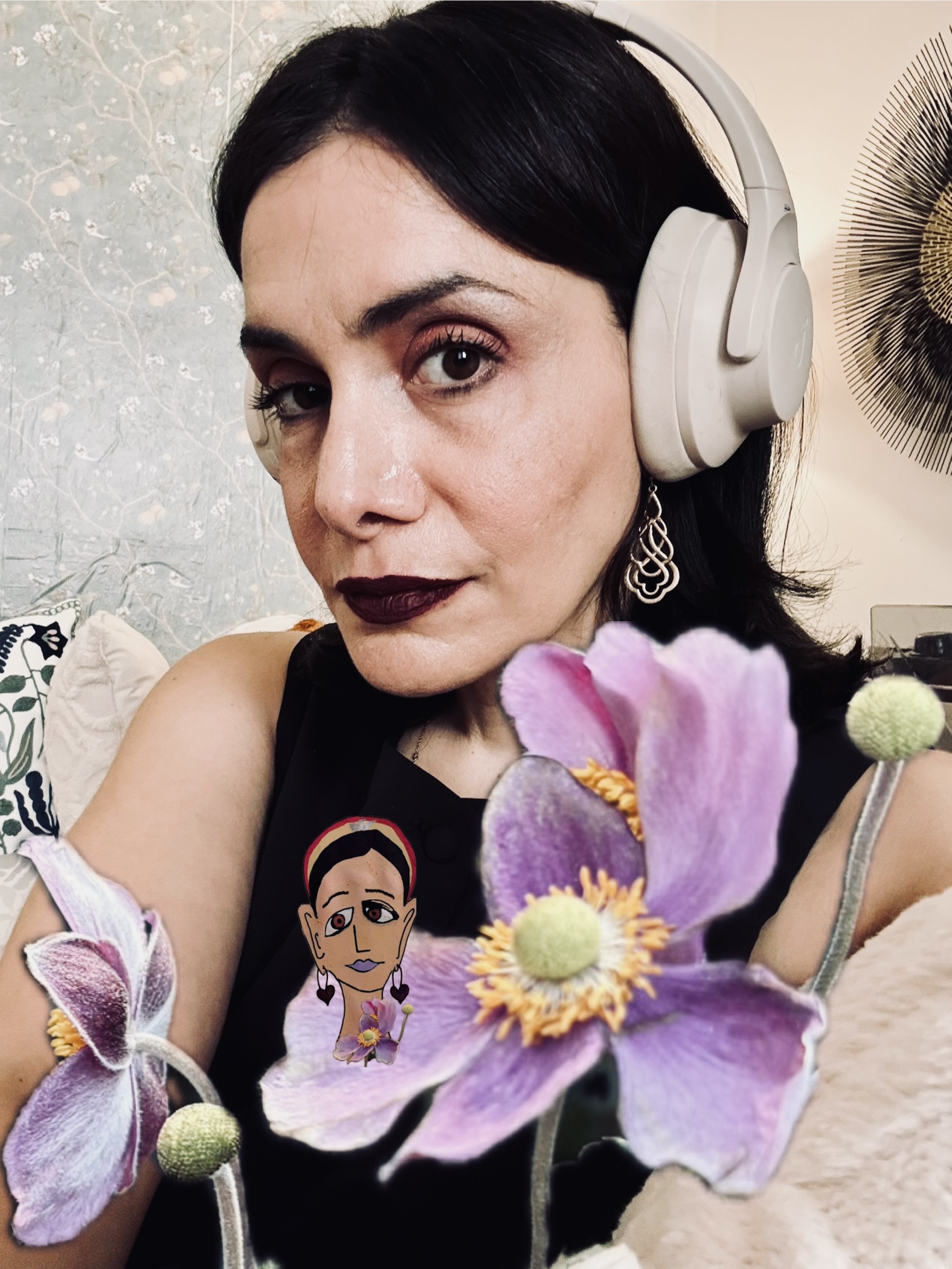
My overall gambit: there is an intersection between autoethnography and antiart and it can be ethical, grounded and we can find it, and also, while I like pickles, I have far to go in my appreciation of relish, somehow.
…
I feel solidarity with the antiart movement for its historical origins as well as its products, difficult as some people find some of its products, principles, lack thereof, and so on.
Autoethnography, I learned in school. I studied ethnography from the standpoint of sociological theory and theorists who pursued answers to peculiarities of the sociological imagination (Mills). #wutang
For me autoethnography was a way to explore, ultimately, Weber’s statements on objectivity and social science, whether it was possible; and Durkheim’s work on functionalism—that it must be more than possible, and DuBois’s work on consciousness which negates and confirms the possibility. (Three possibilities interestingly arranged, etc.)
Anyway, G. Jefferson did work on how gender works in conversation (natural speech).
The return on forgiveness is infinite.
When I first realized words plus music swayed my mood I somehow hated myself. I was a kid. Then I was like, I’m going to beat this, and I started recording my voice reading things and listening to it on a Sony Walkman when I slept. Then my interest moved on to something else, gradually. And luckily, something new would really interest me. One of the best parts of my story is my whole resistance mentality as a little kid. …ma grit was gritty somehow.
***
I just want to live in my own little palace in Chicago. I remember driving past that scallop shaped building and being totally in awe and inspired and so on, honestly. Something about it was both challenging and immensely pleasing.
***
Comments